

“Mom, I’m hungry!” “Delivery at the door!” — Are you interrupted by these sounds every day while working from home? Research shows that after each interruption, it takes an average of 23 minutes to get back into a focused state. Interrupted five times a day, that’s nearly two hours of wasted work time.
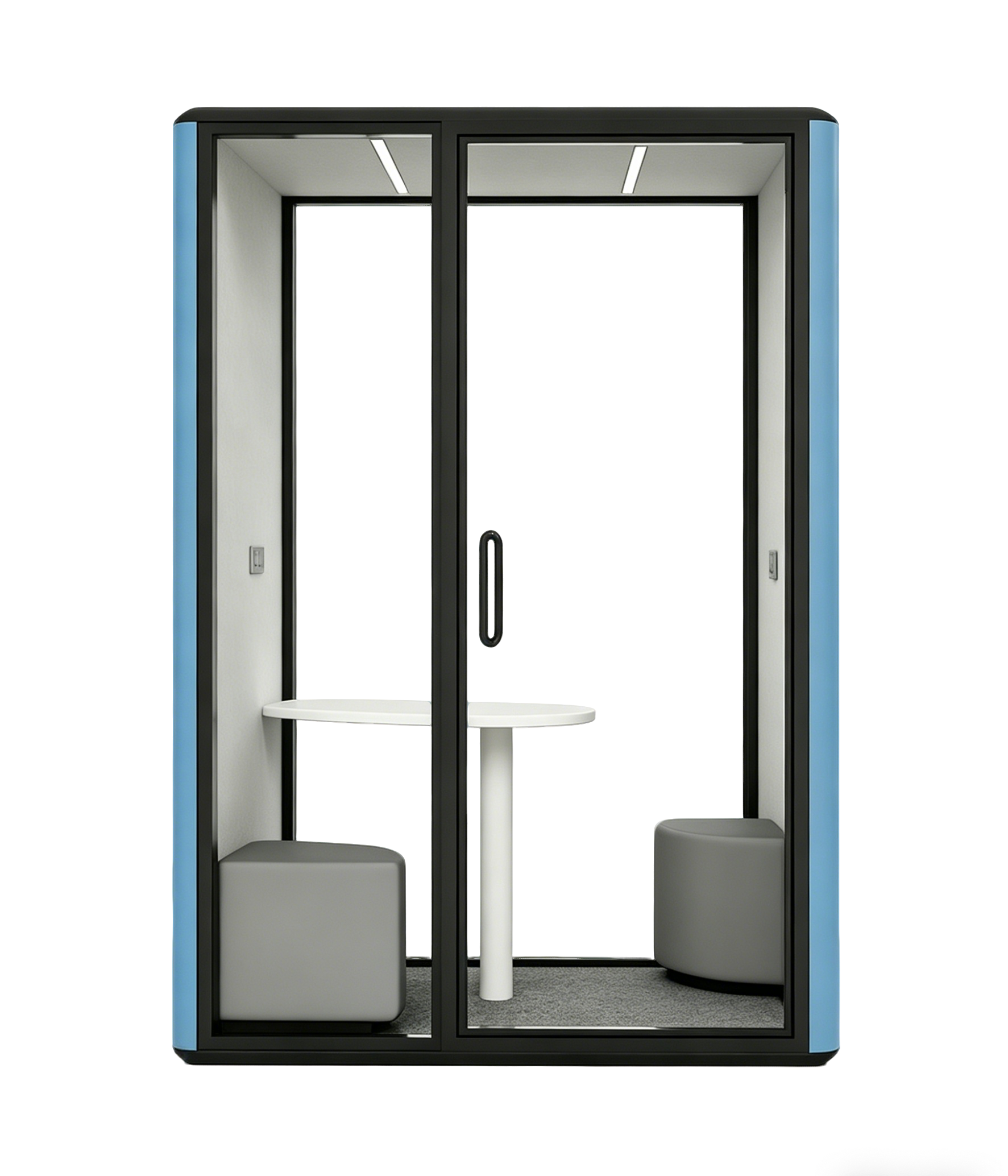
That’s why, in 2026, more and more remote workers are choosing home soundproof pods. With just 2 square meters, you can have an “absolutely quiet” private office.
Why a pod is better than a home office?
Many people think a home office is enough. But the biggest problem is that it’s connected to the rest of the house. Kids knocking, neighbors renovating, traffic outside — all sounds easily penetrate walls. A soundproof pod is an independent space with physical + acoustic isolation.
Take a 2026 mainstream pod:
5-layer composite soundproof walls – block 70–80% of external noise
Floating vibration-damping base – reduces low-frequency vibration from floors
Forced fresh air system – breathe without opening the door
Internal acoustic treatment – eliminates echo, makes calls clearer
Real-world experience: a full workday
9 AM: Upstairs renovation starts — drills roar outside, but inside the pod it’s a faint “buzz,” barely noticeable during video calls. 11 AM: Kids watch TV in the living room — almost inaudible inside the pod. 2 PM: Doorbell rings — can’t hear it? No problem. Many pods come with an external signal light or Bluetooth doorbell connection, so you won’t miss important visitors.
Where can you put 2 square meters?
Living room corner (against a wall, doesn’t block traffic)
Master bedroom balcony (convert into work + meditation zone)
Inside an existing home office (upgrade to a “super focus zone”)
Is it worth it? Do the math
A decent home soundproof pod in 2026 costs between $1,000 and $2,000. Over three years of use, that’s about $1–2 per day. For the price of a cup of coffee, you get back two hours of focused work — for knowledge workers, this might be the best investment of the year.
If you’re struggling with work-from-home efficiency, try this “2-square-meter quiet zone.” It won’t make you smarter — but it will help you use your smarts where they matter.